Why Credit Cards Are Essential Tools for Managing Emergency Expenses and Unexpected Costs
Credit cards have become indispensable financial tools that play a crucial role in managing emergency expenses and unexpected costs. Life is unpredictable, and situations like sudden medical bills, urgent car repairs, or unforeseen travel can place significant strain on personal finances. In such moments, having access to credit can provide a vital safety net, enabling individuals to address immediate needs without disrupting their day-to-day financial stability. One of the primary reasons credit cards are essential in emergencies is their immediate availability. Unlike personal loans or other forms of borrowing, which may require lengthy approval processes, credit cards allow users to access funds instantly. This rapid access can be the difference between swiftly handling a crisis or facing delays that could exacerbate the situation. For instance, if a car breaks down unexpectedly, a credit card enables prompt payment for repairs or towing services, ensuring minimal disruption to daily life. Additionally, credit cards often come with built-in consumer protections that can be highly beneficial during emergencies. This added layer of security provides peace of mind when making urgent purchases or payments.
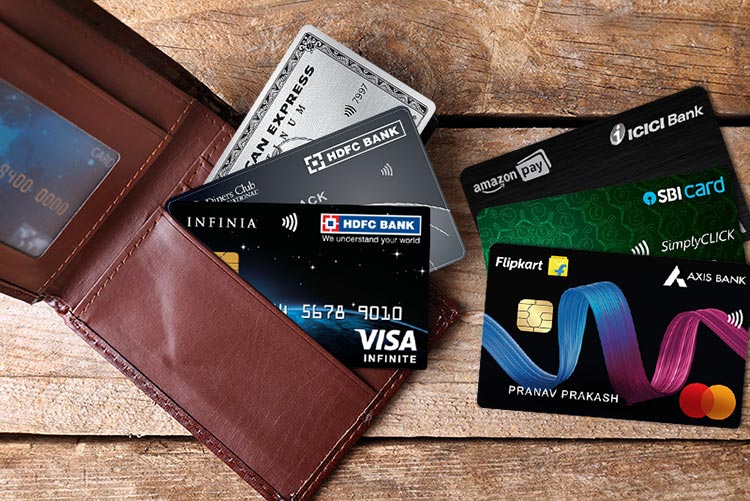
Many cards offer purchase protection, extended warranties, or fraud liability coverage, which can safeguard users from additional losses or fraudulent transactions that might occur during stressful situations. Furthermore, credit cards frequently provide rewards, such as cashback, points, or travel miles, even on emergency spending. While emergencies are never ideal moments for financial gain, these rewards can help offset some of the costs over time, making credit cards more valuable than simple borrowing options. Another critical advantage is the flexibility credit cards offer in managing cash flow during tough times. Emergencies often require large, unexpected expenditures that may not be immediately affordable with cash savings alone. Credit cards allow users to spread out repayments over several months, making it easier to handle big expenses without exhausting savings or disrupting budgets. This can be particularly helpful for families or individuals living paycheck to paycheck, where liquid cash is limited. However, it is important to use credit cards responsibly, as carrying high balances for extended periods can lead to costly interest charges.
When managed well, credit cards serve as effective tools for smoothing financial shocks. Moreover, many credit cards provide access to emergency services such as card replacement, emergency cash advances, or travel assistance. These features are designed to support cardholders in crisis situations, especially when traveling or away from home. For example, losing a wallet or credit card abroad can be a major emergency, but many credit card companies offer rapid card replacement and emergency funds to help cardholders get through such incidents. The Best credit cards contribute to building and maintaining a good credit score when used prudently. A strong credit history is vital for future financial stability and accessing better loan terms for significant life events, such as buying a home or financing education. By responsibly managing emergency expenses through credit cards, individuals can protect their creditworthiness while addressing urgent financial needs. While not a substitute for careful budgeting and saving, they provide a critical financial buffer that can help individuals navigate life’s uncertainties with greater confidence and security.

Payday Loans Help When a Payoff Plan Is Activated
Online payments evolving without bank dependency
The Crypto Trading Refined By Data Analysis And Machine Learning
About Author
